How to Move Heavy Items Without Getting Hurt
· 7 min read · Ottawa Moving Experts
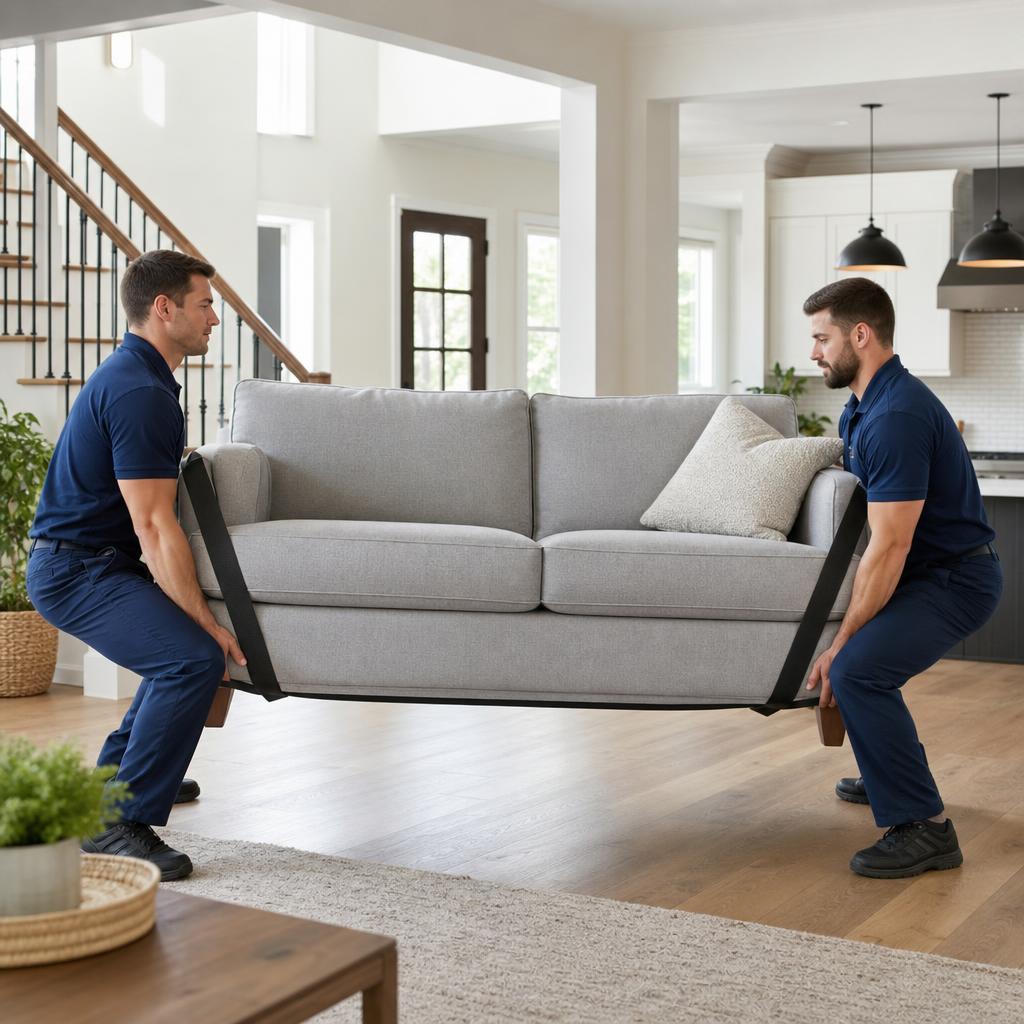
Safe lifting technique, the right equipment, and when to call the pros so you protect your back during a move.
Injuries Are the Hidden Cost of Moving
Every year people hurt their backs, knees, and hands trying to save money on a move. A strained back can cost you far more in lost work and recovery than hiring help would have, so treat safety as part of your moving budget, not an afterthought.
The heaviest and most awkward items, like sofas, appliances, and dressers, cause the most injuries. Planning how to move them before you lift is what keeps you safe.
Lift With Technique, Not Just Strength
Proper lifting form dramatically reduces injury risk. Bend at your knees and hips rather than your waist, keep the load close to your body, and let your legs do the work as you stand. Never twist while carrying a heavy item; turn with your feet instead.
Know your limit and do not be a hero. If something feels too heavy, stop and get help or use equipment rather than pushing through, because that is exactly the moment injuries happen.
- Bend at the knees and hips, not the waist
- Keep the load close to your body
- Lift with your legs, keeping your back straight
- Turn with your feet, never twist your spine
- Communicate clearly with your lifting partner
Use the Right Equipment
The right tools turn an impossible lift into a manageable one. A moving dolly or hand truck lets you roll heavy boxes and appliances instead of carrying them, and furniture sliders let you glide heavy pieces across floors without lifting at all.
Moving straps and forearm forklift straps redistribute weight and improve grip on bulky items. Wear closed-toe shoes with good grip and gloves to protect your hands, which matters even more on icy Ottawa winter walkways.
Plan the Path Before You Lift
Clear the route from the item to the truck before you pick anything up. Remove tripping hazards, prop open doors, and measure tight doorways and stairwells so you are not stuck halfway with a heavy load. Ottawa townhouses and older homes often have narrow, turning staircases that need a plan.
In winter, salt and shovel the walkway and steps first. A slip while carrying a fridge is one of the most dangerous things that can happen on move day.
Know When to Call Professionals
Some items are simply not worth the risk of doing yourself, including pianos, safes, large appliances, and heavy solid-wood furniture that has to navigate stairs. Professional movers have the training, equipment, and WSIB coverage to handle them safely.
Ottawa Moving Experts is fully insured and WSIB-covered, so if a worker is injured moving your piano, you are not on the hook. For the heaviest and most valuable items, hiring pros is often the smartest choice you can make.
Frequently Asked Questions
What is the correct way to lift a heavy box?
Bend at your knees and hips with your back straight, keep the load close to your body, and lift with your legs. Turn with your feet rather than twisting your spine, and never lift beyond your comfortable limit.
What equipment makes heavy lifting safer?
A dolly or hand truck, furniture sliders, and moving straps all reduce strain. Add closed-toe shoes with grip and gloves, which matter even more on icy Ottawa walkways in winter.
How do I move heavy items down narrow stairs safely?
Measure the doorway and stairwell first, clear the path, and use straps and a partner with clear communication. For very heavy or valuable pieces on tight Ottawa staircases, professional movers are the safer choice.
Which items should I never move myself?
Pianos, safes, large appliances, and heavy solid-wood furniture, especially on stairs. Professional, WSIB-covered movers have the training and equipment to move them without risking injury or damage.